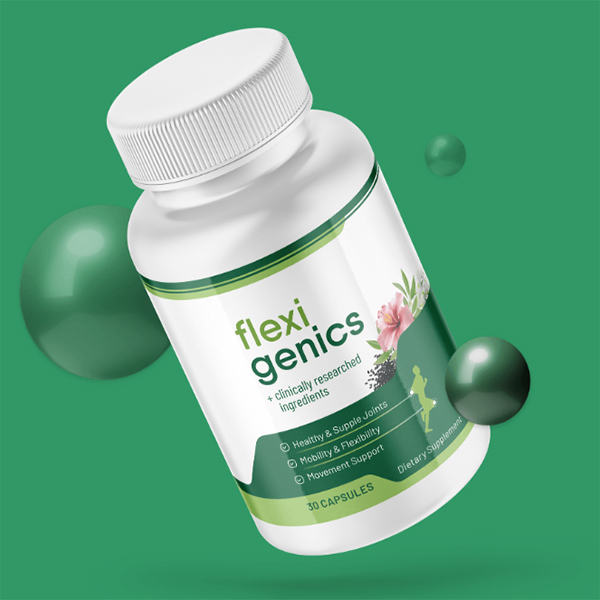
The public Flexigenics materials name seven ingredients on the main ingredient section:
Vitamin K, Green Tea, Black Cumin, Hibiscus Sabdariffa, Micronized Palmitoylethanolamide,
Quercetin, and Luteolin. That list tells you more about the style of the formula than the headline does.
Rather than reading as a basic minerals-only joint product, it reads as a blend that combines a calcium-regulation angle,
plant compounds, and compounds associated in the marketing with comfort and recovery support.
A sensible way to read this formula is not to assume every named ingredient will transform the user experience on its own,
but to understand the roles the brand is trying to communicate. In that sense, the ingredient page is useful because it at least
provides a named framework instead of leaving the product completely vague. The public FAQ also points buyers to the label for the
ingredient list and dosages, and the support page pairs that with a once-daily usage recommendation.
Named ingredient
Vitamin K
In the Flexigenics positioning, Vitamin K appears to support the formula’s calcium-management story.
That does not by itself prove the broader marketing narrative, but it does help explain why the product is framed around
joint comfort and smoother movement rather than around generic wellness language.
Named ingredient
Green Tea
Green tea fits the antioxidant and plant-compound side of the formula. In practical terms, it suggests that the product is
not being sold as a single-mechanism capsule, but as a blend designed to support the broader “healthy joints and mobility” message.
Named ingredient
Black Cumin
Black cumin is another ingredient used to reinforce the product’s natural-formula identity. For buyers, the useful takeaway
is that Flexigenics is being positioned as a plant-forward joint support supplement rather than a strictly conventional orthopedic formula.
Named ingredient
Hibiscus Sabdariffa
Hibiscus Sabdariffa adds to the antioxidant and botanical profile. On a buying page, that matters because it helps set expectations:
the formula is marketed through a natural-support lens, not as a pharmaceutical treatment or a replacement for medical care.
Named ingredient
Micronized Palmitoylethanolamide
This is the most technical-sounding ingredient in the list, and it is clearly one of the compounds used to make the formula sound more specialized.
If you compare Flexigenics with more generic joint offers, this ingredient is part of what gives the product a more distinctive identity.
Named ingredient
Quercetin
Quercetin continues the flavonoid and antioxidant theme. For someone reviewing the formula before purchase, the main value of seeing it listed
is not hype, but clarity: the brand is signaling a multi-ingredient blend rather than a single-ingredient shortcut.
Named ingredient
Luteolin
Luteolin rounds out the seven named ingredients and keeps the formula aligned with the same general plant-compound profile.
Together, the full list helps explain why the official presentation puts so much emphasis on joint flexibility, support, and continued movement.
How to read the formula
Practical interpretation
The safest reading is simple: Flexigenics is a joint-support supplement built around a daily capsule routine, with a branded narrative
about movement and joint comfort. The ingredient list is useful for orientation, but the decision to buy should still depend on the live
terms at checkout, your own expectations, and whether the offer structure makes sense for you.
Public support pages say the recommended use is 1 capsule per day with a meal and present the formula as made in a U.S. facility
that complies with FDA guidelines and Good Manufacturing Processes.